Category: Method and Madness
-
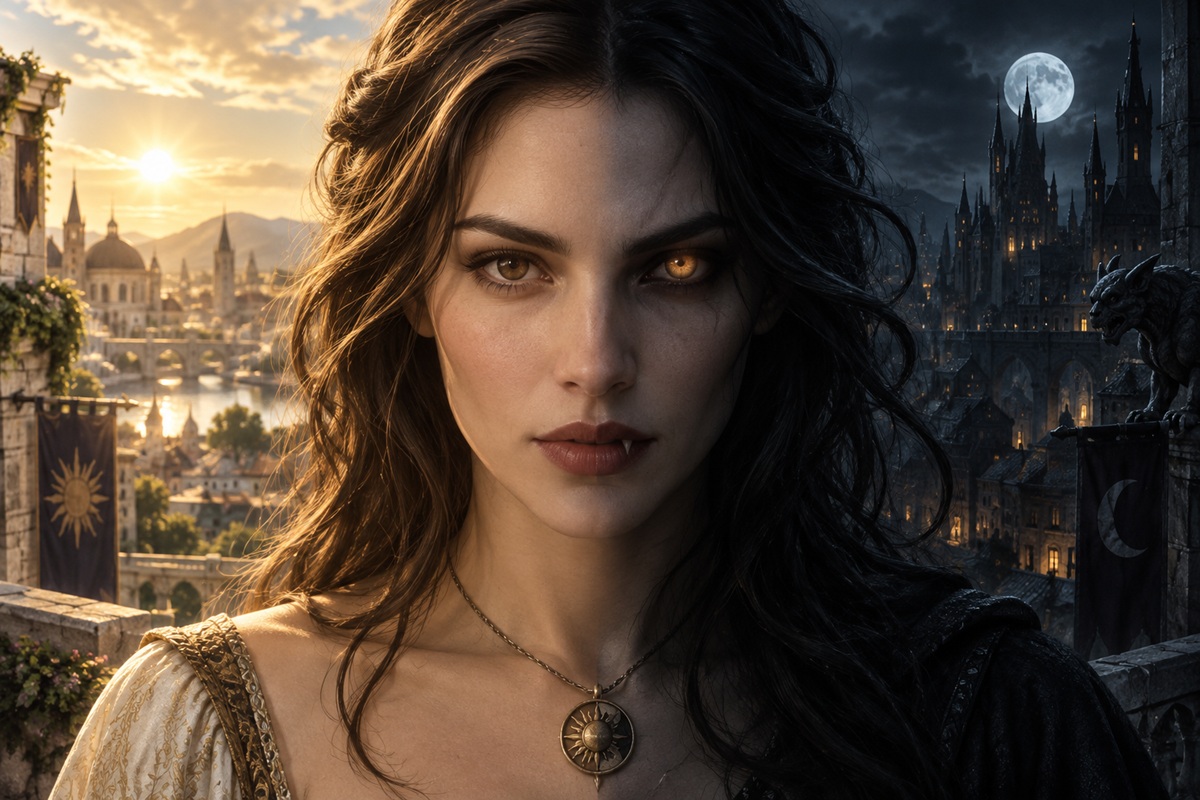
What is a Dhampir?
Vampires you know: Dead bodies whose existence continues with corrupt unlife, from beyond the grave they prowl at night to feed on the lifeblood of the hapless and the enthralled. Now imagine such a creature as yet unclaimed by the grave, one where a soul still clings to a beating heart, one having a foothold…
-
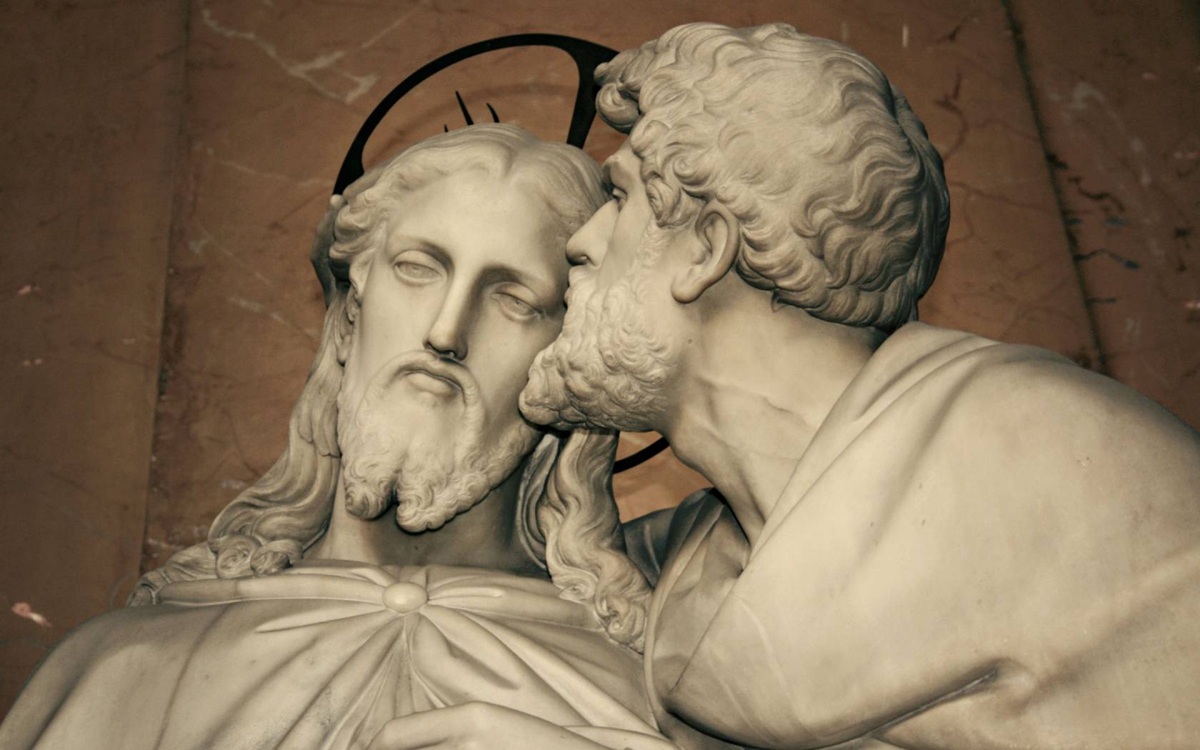
Where Do Writers Get Their Ideas? Judas, Vampires, and The unholy Grail
Where do writers get their ideas? Sometimes from an overheard conversation, an odd historical footnote, a chance observation, or a surprising contrast. In my case, the inspiration for my debut urban fantasy novel, ‘The Curse of the Unholy Grail‘ (TCUG), began with a question about the two New Testament accounts of Judas Iscariot’s death. How…
-

Writers: Edit with Your Ears at least Once
Obi-Wan Kenobi said it best, “Your eyes can deceive you.” After actually listening to my book being read aloud, I can honestly advise, writers, edit with your ears at least once. Hearing your words spoken uncovers whole hidden worlds of errors, new dimensions of errors. (Errors you wished you found before you hit ‘Publish’ on…
-

Steering Your Writing Voyage
Writers are inundated with advice books for writing better fiction. See which actually made me revise parts of my novel even late-game. A list of books by and about masters of the craft.
-

Writers: Make Conflict Sharpen Your Theme
Most writers think of supporting characters as helpers, villains, or comic relief. John Truby argues they’re something more: competing moral philosophies that sharpen your protagonist, strengthen your theme, and generate richer conflict. That single idea forced me to rethink scenes I’d already considered finished.
-

Write as A Plotter? Edit as a Pantser.
In editing, a small causal fix can percolate into cascading character and plot improvements. When I experienced this recently, it was like an epiphany: Sometimes editing is just pantsing by another name. And plotters should embrace it. Make your editing pass with the pantser mindset even if the current read-through aims at line-edits (spelling, sound,…
-
Writers: Theme is a Four-Letter Word
What I mean to say is I’ve found identifying and developing ‘theme’ makes me swear like a sailor. Theme is that tertiary-level ‘aboutness’ that often makes a fiction novel more thought-provoking, more cohesive, and more enduring after the plot’s surface-elements recede from our attention. So, if you’ve got theme(s), ‘good’ is your four-letter word. But…
-

Why Your Next Read Should be About Dhampirs
Imagine the conflict when the ultimate predator is also its own most vulnerable prey. Picture the turmoil when the very source of the hero’s power becomes the catalyst of the hero’s corruption. That’s the dhampir, a being fusing human and vampire natures, under a heat and pressure that deform both. If the yin and yang…
-

Writing a Novel? Pick Scriviner over Word.
To write a novel, a traditional ‘flat’ editor is not the most convenient tool. Scriviner is built with long-form books in mind. Here are some of the tips and tweaks I found made me productive in Scrivener.
-
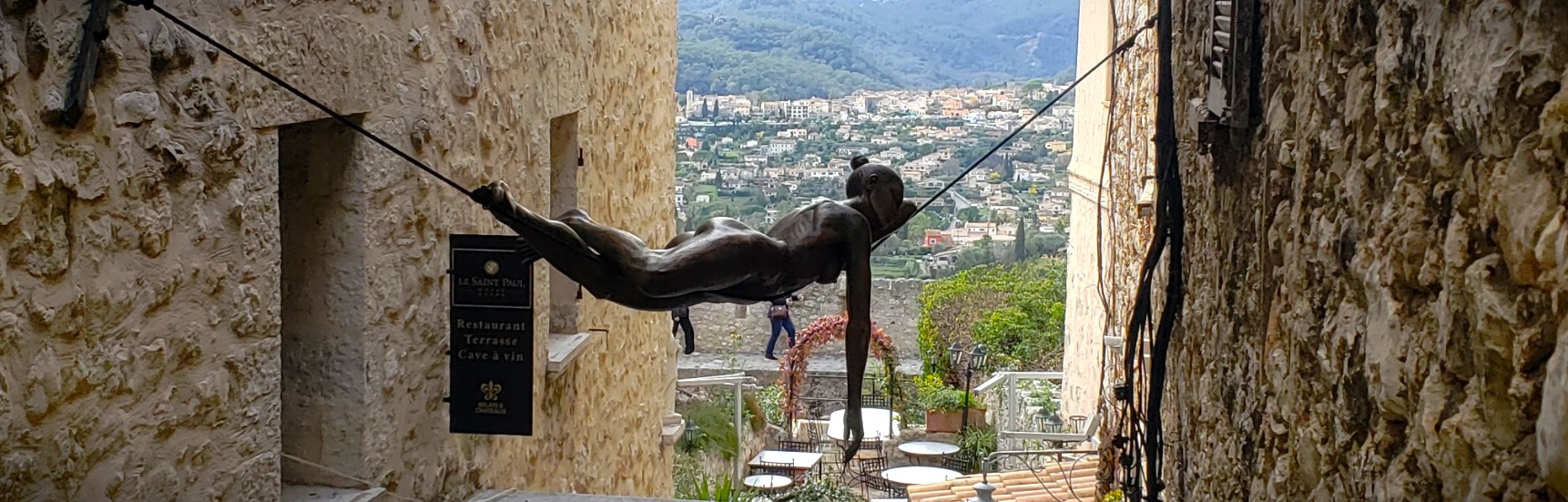
The Haunting Medium of Sculpture
My vacation photos are probably 20% sculptures. Of all the fine arts, sculpture grips me the most. Not just because it’s three-dimensional, experienced and appreciated from 360 about. No, it’s something about their undeniable presence, their true embodiment of the space. Stillness and tension. You feel a permanence just one step removed from becoming alive.…